








Telemedicine apps built for patient trust, provider efficiency, and growth
We build telemedicine apps for digital clinics, specialty care providers, hospitals, wellness platforms, and health startups that need secure patient onboarding, appointment management, video consultations, messaging, prescriptions, care follow-up, and admin visibility in one product workflow. The goal is not only to enable remote visits, but to create a virtual care product that improves access, provider efficiency, and patient trust at scale.
Patient onboarding, scheduling, video visits, chat, and care follow-up flows
Provider dashboards, triage logic, availability management, and care coordination tools
Integrations for payments, notifications, EHR-adjacent systems, analytics, and remote monitoring
MVP planning for launch plus iteration support for retention, scale, and operational fit

Why healthcare teams choose us for telemedicine app development
Telemedicine app development should improve care access, patient confidence, and operational control at the same time. Our delivery approach focuses on trust, usability, and workflow clarity so virtual care products support real appointments, communication, and long-term adoption.
Patient-first virtual care UX
We design for low-friction onboarding, appointment clarity, reminders, and visit completion so patients can confidently move through care journeys without confusion.
Provider-ready workflows
Scheduling, triage, records context, notifications, and follow-up flows are structured to reduce administrative drag and improve clinical operations.
Scalable care operations
The product is planned around future service lines, more providers, more patient volume, and new integrations so growth does not break the delivery model.
Telemedicine app development services for modern virtual care
From new digital health MVPs to established provider platforms, we build telemedicine apps that help healthcare teams deliver remote care reliably, improve patient access, and create better operational visibility. That includes booking, video, secure messaging, care follow-up, remote monitoring, and provider-side operations.
Patient telemedicine apps
Build patient apps for account creation, identity steps, appointment booking, symptom capture, secure messaging, video visits, and post-visit follow-up.
Provider workflow apps
Create mobile or tablet workflows for schedules, triage, visit preparation, patient communication, notes support, and care handoff visibility.
Video consultation platforms
Launch stable virtual visit experiences with session flows, reminders, connection-state handling, documentation prompts, and patient readiness UX.
Remote monitoring and follow-up
Add device data intake, check-in forms, care plans, medication reminders, and ongoing engagement logic for continuous patient support.
Scheduling, billing, and communication
Support appointment calendars, cancellation rules, notifications, payments, invoices, and patient-provider communication without fragmented workflows.
Admin dashboards and operations
Give operations teams visibility into appointments, provider utilization, patient activity, service quality, and workflow bottlenecks.
Telemedicine MVP and scale support
Plan a focused launch scope first, then improve care journeys, retention, integrations, and delivery efficiency after the initial release.
Why healthcare teams invest in telemedicine app development
Telemedicine app development helps healthcare organizations improve patient access, streamline provider workflows, and deliver remote care through mobile experiences that are easier to trust and easier to use. A well-built telemedicine app can support virtual visits, scheduling, secure communication, monitoring, and follow-up in one coordinated digital care product.
Related: Healthcare App Development · Doctor Appointment App Development · Pharmacy Delivery App Development · Mobile App Development · Portfolio · Contact Us
Patient apps, provider apps, and virtual care workflows for remote consultations
Scheduling, video visits, secure messaging, follow-up, and remote monitoring support
HIPAA-aware planning, integration design, QA, launch readiness, and post-launch iteration
Operational visibility for clinics, care teams, and digital health providers
Telemedicine App Development Process
- Step 1Review the care model, service workflow, and patient/provider requirements
- Step 2Plan onboarding, scheduling, communication, and system integrations
- Step 3Build the mobile product, backend connections, and core operations layer
- Step 4Validate key flows, launch, and improve the product after release
Benefits of telemedicine app development for virtual care teams
Telemedicine app development should improve patient access, provider efficiency, and digital-care reliability together. The strongest results come when scheduling, communication, video, and follow-up all support the same care workflow instead of operating as disconnected features.
Telemedicine app development comparison
Healthcare teams evaluating telemedicine app development often compare custom telemedicine apps with generic virtual-care software, patient-only products with broader provider platforms, and agency delivery with in-house execution. The right choice depends on care workflow complexity, integration needs, product control, and available internal capacity.
Telemedicine app development pricing insight
Telemedicine app development cost depends on workflow complexity, integrations, video requirements, user roles, testing depth, and privacy-sensitive product needs. These are general U.S. planning ranges for custom telemedicine mobile products, not fixed Devsrank quotes, and they should be validated through discovery before budgeting decisions are finalized.
Typical for narrower products with basic booking, video consultation, messaging, and a limited integration scope.
Fits products with richer patient journeys, provider workflows, dashboards, follow-up, and more involved system integrations.
Common for multi-role telemedicine products with broader operations, monitoring, multiple integrations, and deeper QA or security planning.
What affects cost
Scheduling, triage, communication, and visit-workflow complexity
Video infrastructure, messaging, notifications, and remote-monitoring requirements
User roles such as patients, providers, admins, and care coordinators
EHR-adjacent systems, payments, analytics, or third-party integration depth
Privacy-aware architecture, testing depth, and release-readiness requirements
Post-launch support, roadmap expansion, and care-operations iteration needs
Healthcare and platform resources we align with
We align mobile app delivery with platform, UX, and security guidance that teams already rely on when planning high-quality launches.
Planning a telemedicine app for real virtual care delivery?
Talk with Devsrank about your care model, patient journey, provider workflows, integration needs, and launch priorities. We can help you turn the telemedicine concept into a practical mobile product roadmap.
Technology for scalable telemedicine and virtual care apps
We use a practical mobile stack for secure communication flows, stable mobile releases, integrations, and long-term iteration as care operations expand across virtual visits, messaging, and patient-provider workflows.






How we deliver telemedicine app development
A product-focused process for virtual care teams that need clear requirements, reliable mobile execution, and launch-ready patient and provider workflows across sensitive healthcare journeys.
Care model and workflow review
We map the service model, patient journey, provider needs, scheduling logic, compliance-sensitive flows, and operational constraints before product scope is locked.
UX and system planning
We define patient onboarding, visit flows, provider actions, reminders, communication paths, and integration requirements around trust and usability.
Build and integrate
Our team develops the mobile product, backend workflows, notifications, payments, analytics, and the platform connections needed for real-world delivery.
QA and launch readiness
We validate booking, communication, session, and care follow-up flows, reduce regression risk, and prepare stable launch-ready releases.
Optimization after launch
After launch, we improve conversion, appointment completion, patient engagement, provider efficiency, and roadmap priorities using product data.
Relevant product work for virtual care delivery
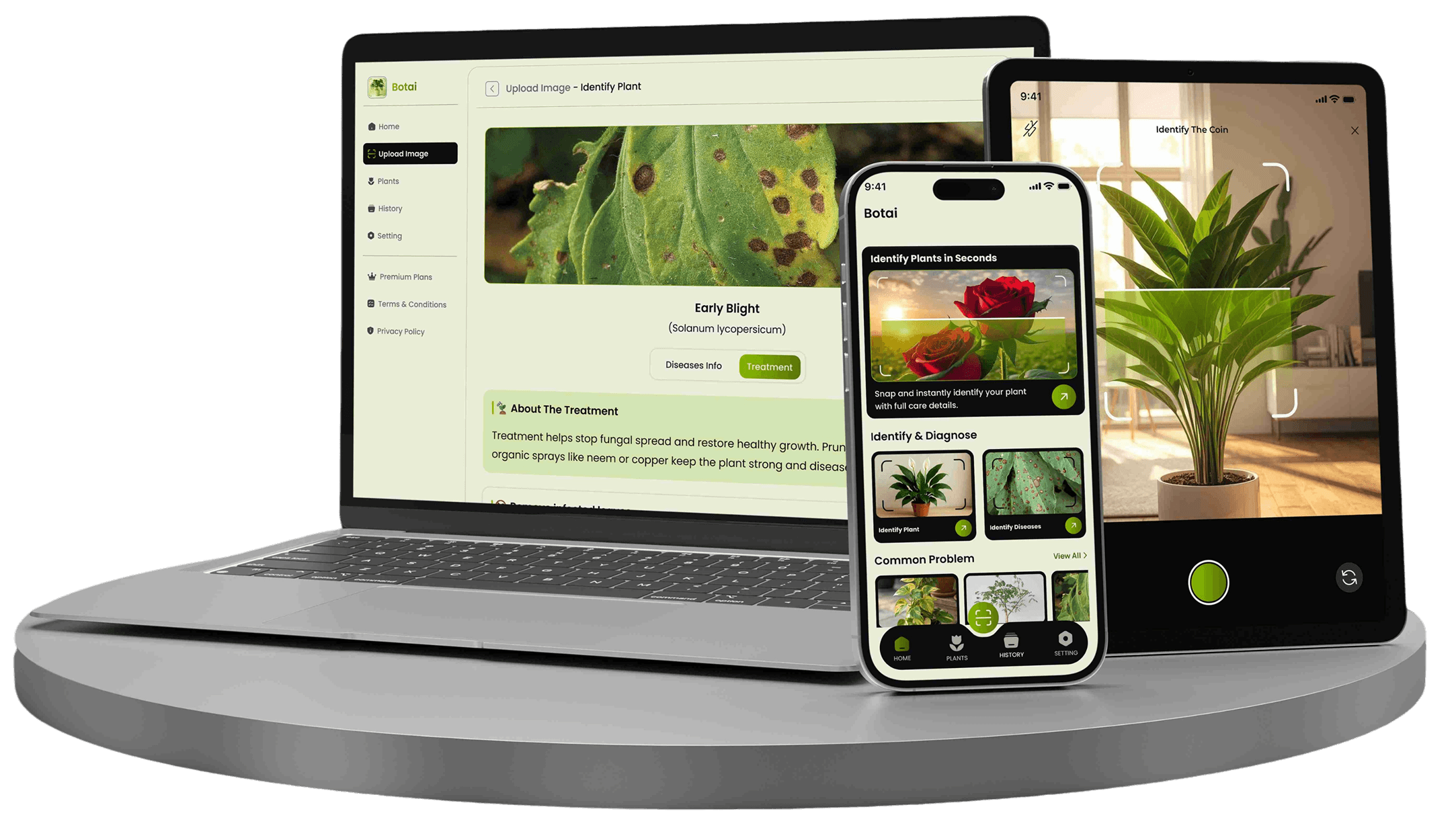
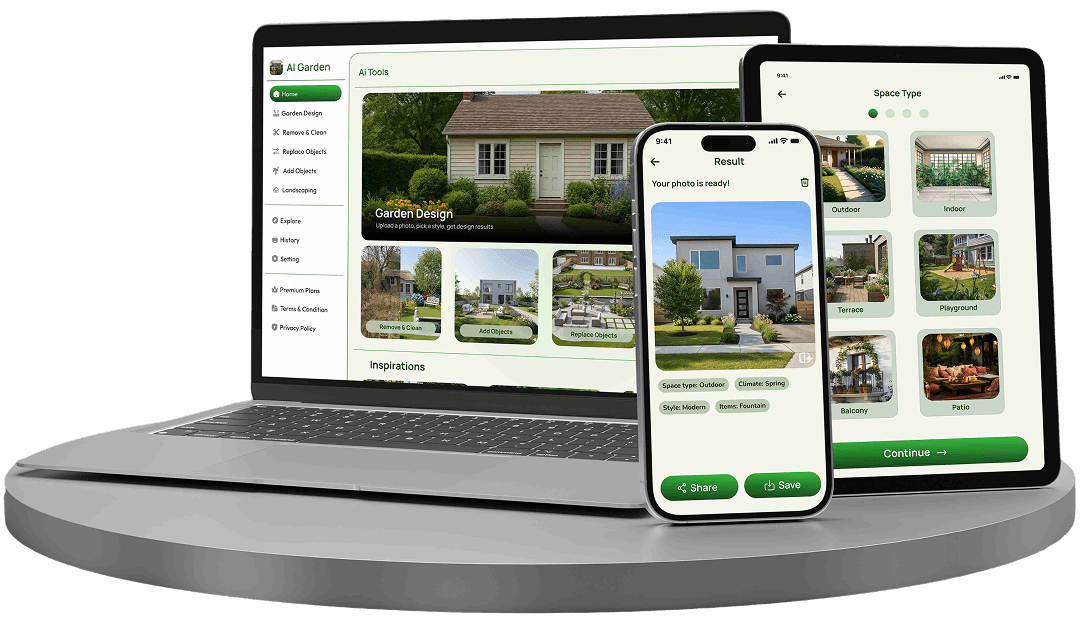
Examples of product execution that reflect the UX quality, delivery discipline, and operational thinking healthcare teams expect from a telemedicine app development partner.
Teams we support across telemedicine and digital health
We work with virtual clinics, specialty providers, hospitals, digital health startups, remote care teams, and wellness platforms that need telemedicine software built for adoption, trust, and operational reliability.
Telemedicine app FAQs
Telemedicine App Development FAQs
Answers about telemedicine app cost, timelines, HIPAA-aware product planning, video consultations, patient engagement, and scaling virtual care after launch.

A telemedicine app development company helps healthcare organizations plan, design, build, test, launch, and improve mobile products for virtual care. That can include patient onboarding, appointment booking, video visits, secure messaging, follow-up workflows, provider operations, and post-launch product optimization for remote-care delivery.
Telemedicine apps often include patient onboarding, scheduling, reminders, video consultation, secure messaging, provider availability, care follow-up, notifications, and operational dashboards. The right feature set depends on the care model, patient journey, provider workflow, and how much of the remote-care experience the product needs to support directly.
Telemedicine app development cost depends on workflow complexity, video infrastructure, integrations, user roles, and testing scope. A focused MVP usually costs less than a broader virtual-care platform with dashboards, messaging, monitoring, and deeper operations support. The most reliable estimate comes after discovery, when care flows and technical dependencies are clearly defined.
Timeline depends on feature scope, design depth, video and messaging requirements, integration complexity, and QA needs. A focused telemedicine MVP may take a few months, while a more complex care platform takes longer. The right timeline should come after discovery, when patient and provider workflows are mapped instead of assumed early.
Yes. Telemedicine apps often need HIPAA-aware planning because they handle patient data, communication flows, access control, and operational healthcare processes. Formal compliance depends on your infrastructure, policies, vendors, and legal requirements, so it should be treated as a broader organizational responsibility rather than a simple app-level claim.
Yes. Strong telemedicine products usually support patient-facing and provider-facing workflows together. That means the product must account for different permissions, tasks, alerts, schedules, and communication paths so both sides of the care experience work smoothly instead of optimizing for only one user group.
Yes. Telemedicine apps often need integration with scheduling systems, EHR-adjacent tools, payment systems, analytics, communication services, and internal APIs. Integration planning matters early because booking, visit flow, follow-up, provider actions, and data handling all depend on how those systems connect with the product.
Yes. Telemedicine apps usually need ongoing support after launch because care workflows evolve, integrations change, releases need stabilization, and user feedback creates new priorities. Post-launch support helps improve patient access, reduce friction, refine provider operations, and keep the virtual-care product aligned with real healthcare delivery needs over time.
Have a project in mind?
Ready to start your project?
Share your goals, timeline, and requirements. We’ll respond with a clear next step, a realistic delivery plan, and the best tech approach for your product.
A quick discovery call to understand your needs
A scope + timeline with clear milestones
A build plan focused on speed, SEO, and conversions
Fast replies (typically within 24 hours)