








Financial apps built for trust, usability, and control
We help startups, fintech platforms, and financial product teams build mobile apps that support secure onboarding, payments, wallet activity, account controls, lending journeys, alerts, and operational visibility without sacrificing usability or delivery speed. The goal is not just to move money in-app, but to create a finance product that users can understand, trust, and return to with confidence.
Payment apps, wallet apps, digital banking, lending, and account-management workflows
Secure onboarding, transaction history, permissions, and account controls
Fraud-aware and compliance-sensitive product flows with stronger UX clarity
API integration for banking services, payment gateways, analytics, and internal systems

Why teams choose us for fintech apps
Fintech app development should improve trust, product clarity, and operational control at the same time. Our work is structured to reduce product risk and make sensitive financial journeys easier to understand and maintain.
Trust-first UX
We design onboarding, authentication, transaction, and account-management flows that feel clear, secure, and credible to real users.
Security-aware delivery
We plan around access control, sensitive data handling, alerts, audit-sensitive workflows, and finance-related integration requirements.
Operational fit
The product is shaped to work for customers, internal operations, and business controls instead of optimizing for only the surface-level UI.
Fintech app development services for secure money movement and account workflows
From payment products to digital finance platforms, we help fintech teams launch mobile products with secure architecture, clean UX, and reliable delivery discipline across trust-sensitive customer workflows.
Payment apps and money movement
Build apps for transfers, payment collection, transaction history, notifications, and account-level controls.
Wallet and account products
Support stored value, wallet balances, linked methods, statements, and user settings in a clear mobile experience.
Digital banking experiences
Create mobile flows for onboarding, account dashboards, alerts, cards, support, and day-to-day financial actions.
Lending and financial workflows
Build application flows, verification, repayment visibility, and customer account experiences for finance products.
Fintech integrations
Connect apps with payment gateways, banking APIs, KYC vendors, fraud tooling, analytics services, and internal systems.
Launch and iteration support
Ship the first release, stabilize high-risk workflows, track product behavior, and improve the app after launch.
Why businesses invest in fintech app development
Fintech app development helps businesses create finance products that combine trust, usability, transaction clarity, and operational control in one mobile experience. The best fintech apps support onboarding, account management, money movement, lending, alerts, and verification flows without overwhelming users or creating unnecessary risk in sensitive financial journeys.
Related: Digital Wallet App Development · Loan Lending App Development · Stock Trading App Development · Mobile App Development · Portfolio · Contact Us
Payment apps, wallet apps, digital banking, lending, and personal-finance workflows
Secure onboarding, account controls, transaction history, and verification journeys
Integration planning for banking APIs, payment gateways, KYC vendors, fraud tools, and internal systems
QA, release planning, store submission, and post-launch iteration for finance products
Fintech App Development Process
- Step 1Review user roles, transaction flows, security needs, and regulatory constraints
- Step 2Plan UX, architecture, permissions, integrations, and product milestones
- Step 3Build onboarding, account, payment, wallet, and transaction workflows
- Step 4Validate sensitive journeys, launch, and improve product performance after release
Benefits of fintech app development for financial products
Fintech app development should make financial products easier to trust, easier to use, and easier to manage operationally. The strongest products balance security-aware planning with UX clarity so users can complete sensitive actions with more confidence.
Fintech app development comparison
Finance teams evaluating app development often compare custom fintech products with generic financial software, native delivery with cross-platform delivery, and agency support with in-house execution. The best choice depends on workflow sensitivity, integration requirements, risk tolerance, and how much product control the business needs.
Fintech app development pricing insight
Fintech app development cost depends on workflow sensitivity, integration depth, user roles, product complexity, testing requirements, and post-launch support scope. These are general U.S. planning ranges for custom fintech mobile products, not fixed quotes, and they should be validated through discovery before budgeting decisions are finalized.
Typical for narrower finance products with a smaller feature set, limited user roles, and a more focused onboarding or transaction journey.
Fits products with richer account workflows, alerts, dashboards, finance logic, and more involved service integrations.
Common for multi-role finance products with deeper operational workflows, multiple integrations, broader security planning, and high QA requirements.
What affects cost
Number of user roles such as customers, agents, operators, or admins
Payment, lending, wallet, banking, or verification workflow complexity
Banking APIs, KYC vendors, fraud tooling, analytics, and other integrations
Security-aware architecture, testing depth, and release-readiness requirements
Native versus cross-platform delivery decisions
Post-launch support, feature expansion, and product-operations needs
Security and product resources we align with
We align mobile app delivery with platform, UX, and security guidance that teams already rely on when planning high-quality launches.
Planning a fintech app with high-trust workflows?
Talk with Devsrank about your finance product model, onboarding flow, integration needs, and launch priorities. We can help you turn the workflow into a practical mobile product roadmap.
Technology for secure, scalable financial apps
We use a practical mobile stack that supports stable releases, secure data handling, and product iteration across consumer and operational finance experiences.






How we deliver fintech app development
A pragmatic process for fintech products that need strong UX, security-aware planning, and predictable mobile delivery across high-stakes customer workflows.
Workflow and risk review
We map users, transaction flows, permissions, integrations, and compliance-sensitive workflows before implementation starts.
UX and architecture planning
We shape onboarding, account, payment, alert, and transaction experiences around trust, clarity, and operational reality.
Mobile build and integration
Our team handles app development, API integrations, payment logic, account flows, notifications, and supporting backend work.
QA and release readiness
We validate critical financial journeys, fix regressions, and prepare store-ready builds with stable release practices.
Launch and optimization
After release, we support monitoring, product iteration, and operational improvements informed by user behavior and product risk.
Product work relevant to finance delivery
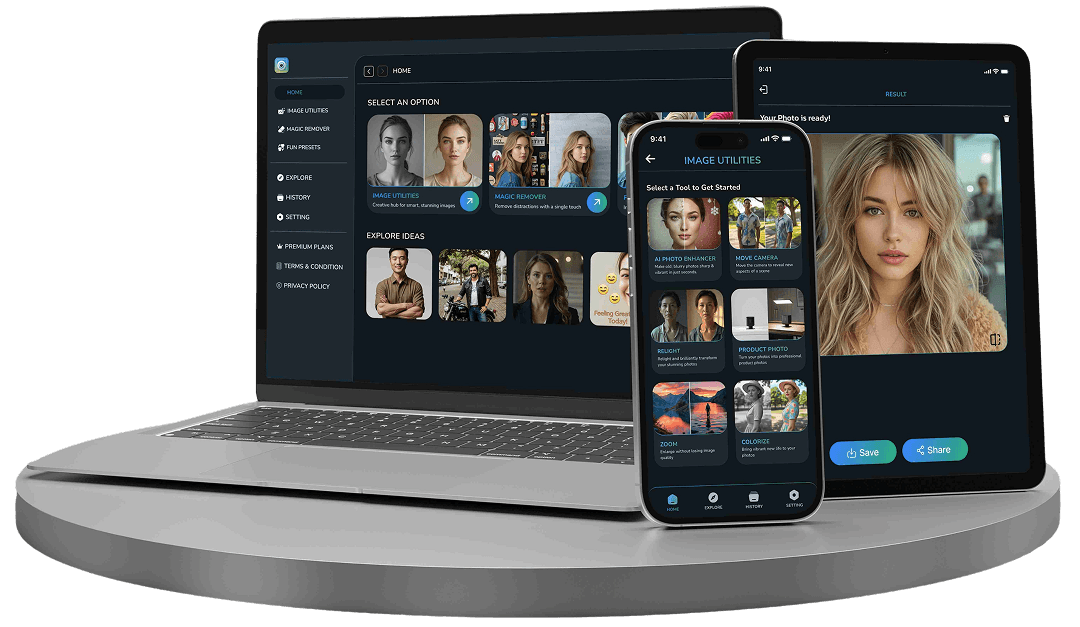
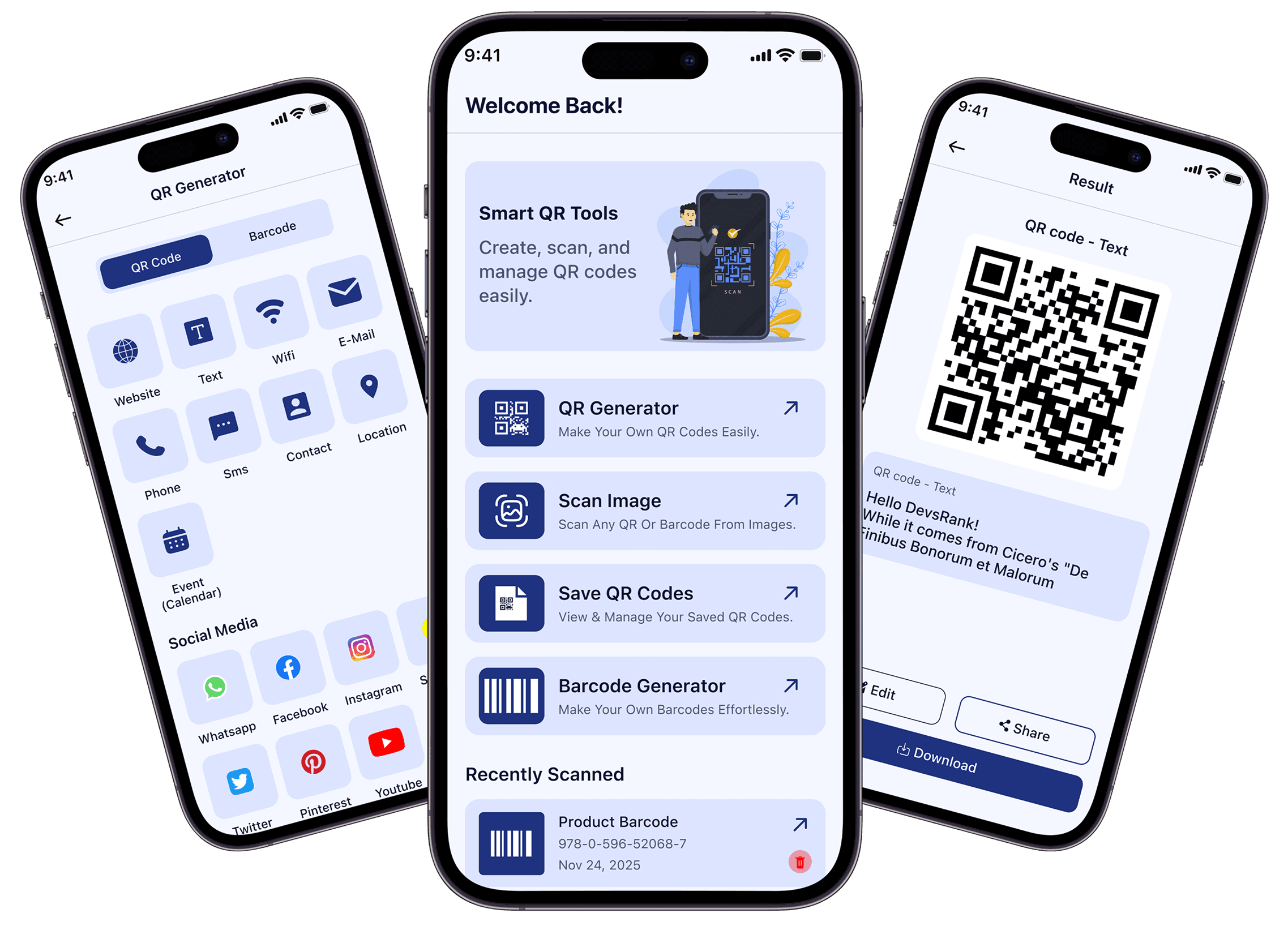
Examples of digital product work that reflect the UX discipline, release reliability, and systems thinking fintech teams need when evaluating a fintech app development company.

Teams we support in fintech and adjacent sectors
We work with fintech startups, payments teams, finance products, and operational groups that need secure, usable mobile software for real financial service delivery.
Fintech app FAQs
Fintech App Development FAQs
Answers about fintech app development timelines, secure product workflows, integrations, compliance-sensitive delivery, and support after launch.

A fintech app development company helps businesses plan, design, build, test, launch, and improve mobile finance products. That can include payment apps, wallets, digital banking, lending workflows, onboarding, account controls, and operational finance tools that support sensitive user journeys and real financial service delivery.
Fintech app development can include payment apps, wallet products, banking experiences, lending flows, personal finance tools, payroll products, wealth features, and embedded-finance workflows. The right app structure depends on the product model, user roles, integration requirements, and how the financial workflow actually works behind the interface.
Fintech app development cost depends on user roles, money-movement complexity, verification flows, integrations, testing depth, and product risk. A focused fintech MVP costs much less than a complex financial platform with dashboards, alerts, compliance-sensitive workflows, and multiple service integrations. The most accurate estimate comes after discovery and technical planning.
Timeline depends on feature scope, design depth, integration complexity, testing needs, and workflow sensitivity. A focused fintech app MVP may take a few months, while a more advanced financial product takes longer. The strongest timeline comes after discovery, when product requirements, integrations, and release priorities are clearly defined instead of assumed.
Yes. Fintech apps often need integration with payment gateways, banking APIs, KYC vendors, fraud tooling, analytics services, and internal systems. Integration planning matters early because onboarding, money movement, account logic, and operational workflows all depend on how those services connect with the product.
Trust in fintech apps comes from both architecture and UX. We focus on clearer onboarding, strong account visibility, thoughtful permissions, clear transaction feedback, and security-aware implementation patterns so users understand what is happening and feel more confident using the product for sensitive financial actions.
Yes. Many fintech products need customer-facing journeys and internal operational workflows at the same time. A strong fintech app design accounts for different permissions, controls, alerts, and support tasks so the product works for customers, finance operations, and business oversight instead of optimizing for only one side.
Yes. Fintech apps usually need ongoing support after launch because integrations evolve, financial workflows change, product risk needs review, and user feedback creates new priorities. Post-launch support helps improve reliability, refine UX, reduce friction, and keep the product aligned with real business and operational goals over time.
Have a project in mind?
Ready to start your project?
Share your goals, timeline, and requirements. We’ll respond with a clear next step, a realistic delivery plan, and the best tech approach for your product.
A quick discovery call to understand your needs
A scope + timeline with clear milestones
A build plan focused on speed, SEO, and conversions
Fast replies (typically within 24 hours)