





Ride sharing apps built for more completed trips, better matching, and stronger rider retention
We build ride sharing apps for urban mobility startups, pooled transport products, shared-ride operators, and marketplace teams that need rider booking, driver onboarding, trip matching, live tracking, pricing clarity, in-app payments, and operational workflows in one mobile ecosystem. For startups, that often means launching a focused matching MVP that proves rider demand and network reliability early. For established mobility businesses, it means connecting rider, driver, and control-center workflows across larger service zones, fleet structures, and shared-mobility operations.
Trip booking, route selection, fare visibility, booking confirmation, and repeat-ride flows
Driver onboarding, trip acceptance, route handling, earnings visibility, and communication workflows
Matching, dispatch, support, admin, pricing, geo-operations, and performance-reporting workflows
MVP launch planning plus iteration support for network growth, service quality, and long-term retention

Why teams choose us as a ride sharing app development company
Our ride sharing app development services focus on helping riders book quickly, drivers stay productive, and operations teams manage mobility networks with more confidence across both growth-stage and enterprise environments.
Higher trip-booking completion
We shape pickup, destination, fare visibility, payment, and confirmation flows to reduce abandonment and help more riders complete bookings with confidence.
Better rider and driver retention
Saved places, trip history, promotions, ratings, loyalty mechanics, and repeat-booking journeys help increase rider usage while supporting driver engagement.
Operational clarity for mobility teams
Driver status, location awareness, trip matching, support actions, pricing rules, and reporting are structured around real shared-mobility operations.
Ride sharing app development services for mobility growth
From focused ride-matching MVPs to full rider-driver-operations ecosystems, we build ride sharing apps that improve trip conversion, service reliability, and repeat usage.
Rider booking apps
Build branded rider apps for pickup and destination selection, fare visibility, shared-ride options, scheduling, payments, and live trip tracking.
Driver apps and onboarding
Support driver registration, document flows, trip requests, acceptance, status updates, navigation support, earnings views, and performance visibility.
Matching and operations systems
Create mobility dashboards for trip matching, driver monitoring, support actions, pricing controls, service zones, and operations reporting.
Live tracking and trip workflows
Plan ETA visibility, trip status updates, route visibility, rider communication, pooling logic, cancellations, and trip-completion experiences that reduce uncertainty.
Payments, pricing, and offers
Support fare estimation, wallet or card payments, dynamic pricing, coupons, memberships, referral systems, and campaign mechanics that improve conversion and retention.
Multi-city and network growth models
Build logic for service zones, city-specific operations, fleet structures, ride categories, and reporting across broader shared-mobility operations.
MVP launch and optimization
Launch a focused ride sharing product first, then improve conversion, matching quality, and rider retention after release.
Why businesses invest in ride sharing app development
Ride sharing app development helps mobility businesses improve trip-booking conversion, create stronger rider and driver experiences, and increase repeat trips through better network workflows. A strong ride sharing product connects rider booking, driver onboarding, trip matching, live tracking, payments, referrals, and post-trip engagement in one system built for shared mobility operations.
Related: Taxi Booking App Development · Car Rental App Development · Courier Delivery App Development · Mobile App Development · Portfolio · Contact Us
Ride sharing apps, shared-mobility platforms, pooling products, driver-network apps, and multi-city transport workflows
Rider booking, driver onboarding, trip matching, live tracking, payments, referrals, ratings, and repeat-ride journeys
Operational workflows for network teams, support staff, admins, pricing managers, and fleet or partner operators
MVP planning for mobility startups and scalable architecture for larger shared-ride and transport businesses
Ride Sharing App Development Process
- Step 1Review the mobility model, rider and driver workflows, matching logic, and pricing or zone rules
- Step 2Plan rider UX, driver app workflows, live tracking, referrals, and admin tooling
- Step 3Build the rider, driver, and operations experiences with launch-ready quality
- Step 4Validate booking-critical flows, launch, and improve network retention after release
Benefits of ride sharing app development for shared mobility businesses
Ride sharing app development should improve trip conversion, network retention, and operational clarity together. The strongest products reduce friction for riders while giving drivers and operations teams the visibility they need to manage matching quality, service coverage, and long-term mobility growth more effectively.
Ride sharing app development comparison
Businesses evaluating ride sharing app development often compare shared-mobility apps with aggregator dependency, custom network products with off-the-shelf mobility tools, and agency delivery with freelancer support. The right choice depends on matching complexity, network operations, rider and driver experience goals, and how much control the business needs over growth and retention.
Ride sharing app development pricing insight
Ride sharing app development cost depends on rider and driver app scope, trip-matching logic, geo-tracking workflows, payment setup, and post-launch growth scope. These are general U.S. planning ranges for custom shared-mobility mobile products, not fixed Devsrank quotes, and they should be validated through discovery before budget decisions are finalized.
Typical for narrower products with rider booking, driver flows, trip matching, payments, and a smaller operational scope.
Fits products with stronger network workflows, live tracking depth, referral systems, admin tooling, and broader city-level operational needs.
Common for real-time, integration-heavy shared-mobility systems with deeper matching, pricing, driver-network, and operations complexity.
What affects cost
Rider and driver app scope, trip-matching logic, and live-tracking complexity
Pricing rules, shared-ride logic, wallets, payments, referrals, and promotional feature depth
Support tooling, admin dashboards, network controls, and reporting needs
Geo-services, analytics, CRM, notification, or internal mobility-system integrations
Native versus cross-platform delivery decisions
Post-launch optimization, experimentation, and roadmap expansion scope
Platform and UX resources we align with
We align mobile app delivery with platform, UX, and security guidance that teams already rely on when planning high-quality launches.
Planning a ride sharing app that improves matching quality and repeat trips?
Talk with Devsrank about your rider model, driver workflows, matching logic, payment setup, integrations, and launch priorities. We can help you shape the roadmap around both trip conversion and real shared-mobility operations.
Technology for scalable ride sharing apps
We use a practical mobile stack for shared-mobility products that need stable releases, live trip visibility, network operations control, and continuous post-launch iteration.






How we deliver ride sharing app development
A product-focused process for shared-mobility workflows that need strong rider UX, dependable network operations, and predictable mobile delivery.
Mobility model and network workflow review
We map rider journeys, driver operations, matching constraints, pricing behavior, support needs, and service zones before scope is locked.
UX and mobility-system planning
We define rider booking, driver flows, trip tracking, payments, notifications, and admin actions around real conversion and network operations needs.
Build and integrate
Our team develops rider and driver apps, matching workflows, live trip interactions, notifications, payments, analytics, and backend integrations required for real mobility use.
QA and launch readiness
We validate booking-critical flows, trip updates, cancellations, communication, and support journeys, then prepare stable release-ready builds.
Optimization after launch
After launch, we improve trip conversion, matching quality, rider retention, driver engagement, and roadmap priorities using product data.
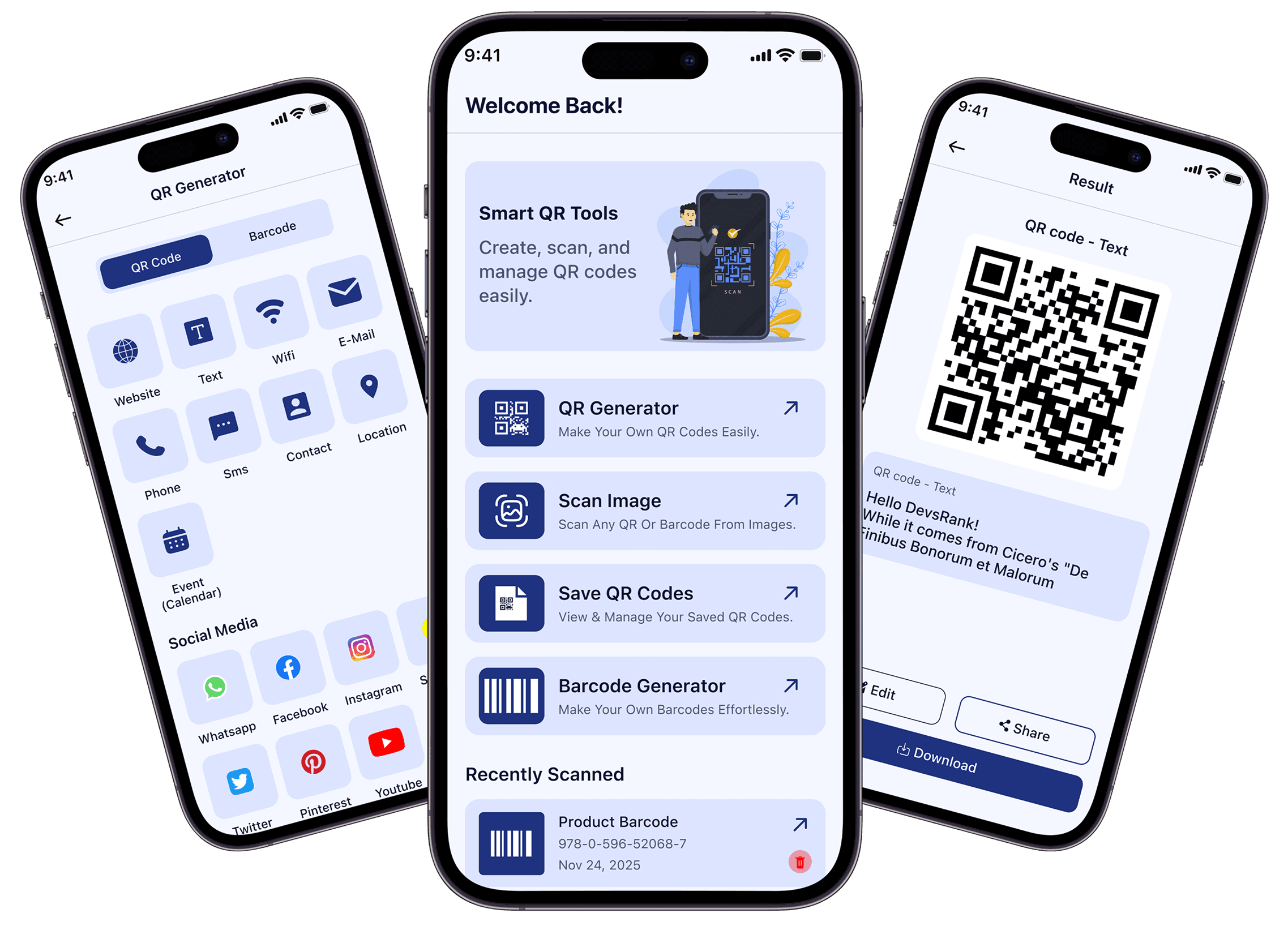
Relevant product work for ride matching and mobility operations
Examples of product execution that reflect the UX quality, release discipline, and operations thinking mobility teams expect from a ride sharing app development company.
Teams we support across ride sharing and urban mobility
We work with mobility startups, ride-sharing operators, pooled transport products, dispatch teams, transport aggregators, and multi-city mobility platforms that need mobile software built for network growth and operational reliability.
Ride sharing app FAQs
Ride Sharing App Development FAQs
Answers about ride sharing app development timelines, rider and driver workflows, trip matching, network operations, and post-launch optimization.

A ride sharing app development company helps mobility businesses plan, design, build, test, launch, and improve products for rider booking, driver workflows, trip matching, payments, and live trip updates. That can include rider apps, driver apps, network dashboards, support tooling, and the backend workflows needed to operate a shared-mobility business reliably.
Most ride sharing apps need route selection, fare visibility, ride confirmation, payments, live tracking, driver details, and trip history. Many also need driver onboarding, trip matching, pooling logic, referrals, promotions, support tooling, and admin reporting. The right feature set depends on your network model and operational complexity.
Ride sharing app development cost depends on rider and driver app scope, matching logic, tracking complexity, integrations, and post-launch growth needs. A focused shared-mobility MVP costs much less than a multi-city network platform. The most reliable estimate comes after discovery, when matching workflows and operational dependencies are clearly defined.
Timeline depends on product scope, design complexity, live-tracking needs, matching requirements, and QA depth. A focused ride-sharing MVP may take a few months, while a more advanced multi-city or network-heavy platform takes longer. The best timeline comes after discovery, once rider, driver, and network workflows are mapped in enough detail.
Ride sharing apps usually focus more on network growth, trip matching, shared-ride logic, referrals, and broader rider-driver marketplace behavior, while taxi booking apps often focus more on dispatch control for cab operations. The right product approach depends on whether you are optimizing for a managed taxi fleet or a broader shared-mobility network.
Yes. Ride sharing products often need connected workflows for riders, drivers, support, and network operations teams. Building all sides together matters because matching, live tracking, cancellations, communication, incentives, and reporting all depend on operations staying tightly connected to the rider booking experience.
The core trip flow may be similar, but the implementation approach changes with scale. Startups often need a focused MVP with strong rider and driver basics, while established operators usually need deeper network controls, broader service-zone logic, and stronger reporting. The best roadmap fits the current business stage instead of overbuilding too early.
Yes. Ride sharing apps usually need ongoing support because service zones change, network behavior evolves, rider and driver retention depends on continuous optimization, and operations rules shift over time. Post-launch support helps improve trip conversion, repeat usage, network quality, and workflow reliability so the product keeps contributing to mobility growth.
Have a project in mind?
Ready to start your project?
Share your goals, timeline, and requirements. We’ll respond with a clear next step, a realistic delivery plan, and the best tech approach for your product.
A quick discovery call to understand your needs
A scope + timeline with clear milestones
A build plan focused on speed, SEO, and conversions
Fast replies (typically within 24 hours)