







On demand home services apps built for more completed bookings, clearer scheduling, and stronger repeat-service growth
We build on demand home services apps for local service brands, multi-city operators, home cleaning teams, repair businesses, and marketplace startups that need booking, technician or provider scheduling, dispatch, payments, notifications, reviews, and admin workflows in one mobile product. For startups, that often means launching a focused booking MVP that proves demand, scheduling reliability, and repeat-service behavior early. For established service operators, it means connecting customer UX with provider operations, dispatch visibility, reporting, support, and broader marketplace controls at scale.
Service selection, slot booking, address capture, price visibility, provider assignment, and repeat-booking flows
Provider profiles, schedules, job acceptance, route awareness, status updates, payments, and communication workflows
Dispatch, support, admin, pricing, service-area controls, analytics, and reporting workflows with operational visibility
MVP launch planning plus iteration support for booking growth, fulfillment quality, and long-term customer retention

Why teams choose us for on demand home services app development
Our on demand home services app development services focus on reducing booking friction, improving job fulfillment visibility, and supporting the real operational workflows service teams need every day.
Higher booking completion
We shape service selection, pricing, scheduling, address capture, and payment flows to reduce abandonment and help more customers complete service requests.
Better repeat-service retention
Saved addresses, repeat bookings, service history, reminders, offers, and loyalty logic are planned to increase return usage and lifetime value.
Operational fit for field-service teams
Assignment logic, provider availability, service zones, status visibility, support handling, and reporting are structured around real home-service operations.
On demand home services app development services for booking and operations growth
From focused local-service MVPs to broader multi-service marketplaces, we build home services apps that improve conversion, scheduling clarity, and repeat-service behavior.
Customer booking and service apps
Build branded customer apps for service discovery, slot booking, pricing, address capture, booking confirmation, and account management.
Scheduling and assignment systems
Support availability management, provider assignment, service zones, appointment windows, exceptions, and dispatch management without hurting the booking flow.
Provider workflows and job fulfillment
Plan technician and provider tasks, schedule handling, job statuses, proof of completion, issue logging, and service-management experiences that reduce uncertainty.
Admin and support workflows
Create dashboards for bookings, customers, providers, support actions, pricing controls, and service performance reporting.
Notifications, payments, and repeat-booking systems
Support reminders, ETA updates, customer alerts, saved addresses, memberships, offers, and repeat-booking journeys that strengthen retention.
Multi-service and multi-city marketplace models
Build logic for service categories, city-based operations, provider pools, service areas, price classes, and reporting across broader home-service operations.
MVP launch and optimization
Launch a focused home services product first, then improve conversion, operations, and retention after release.
Why businesses invest in on demand home services app development
On demand home services app development helps service businesses and marketplaces increase booking completion, improve provider coordination, and strengthen repeat-service retention through better mobile product design. A strong home services app connects service discovery, scheduling, provider assignment, dispatch, payments, notifications, and support operations in one experience built for conversion and operational reliability.
Related: Taxi Booking App Development · Courier Delivery App Development · Mobile App Development · Cross Platform App Development · Portfolio · Contact Us
Home services apps, field-service booking products, local service marketplaces, repair platforms, cleaning apps, and customer mobile experiences
Service discovery, scheduling, availability, provider assignment, dispatch, payments, notifications, reviews, and repeat-booking journeys
Operational workflows for dispatchers, support teams, providers, pricing controls, reporting, and admin visibility
MVP planning for service startups and scalable delivery for established operators with broader marketplace and multi-city needs
On Demand Home Services App Development Process
- Step 1Service model review, category hierarchy, provider workflow mapping, and scheduling logic
- Step 2Conversion-focused UX design for service discovery, time slot booking, address capture, and payment
- Step 3iOS and Android mobile development, dispatch tooling, real-time status updates, and notifications
- Step 4Quality assurance (QA), payment transaction testing, provider proof-of-work validation, and store release
- Step 5Post-launch optimization, customer retention features, membership models, and continuous roadmap support
Benefits of on demand home services app development for service and marketplace businesses
On demand home services app development should improve booking conversion, fulfillment quality, and recurring revenue together. The strongest products make booking and service visibility feel simple for customers while giving operations teams more control over dispatch, providers, and retention workflows.
On demand home services app development comparison
Businesses evaluating on demand home services app development often compare custom service-booking products with generic appointment apps, focused local-service apps with broader marketplaces, and agency delivery with freelancer support. The right choice depends on scheduling complexity, dispatch needs, provider operations, and how much control you need over growth and service execution.
On demand home services app development pricing insight
On demand home services app development cost depends on booking depth, provider workflows, dispatch complexity, payments, user roles, and post-launch growth scope. These are general planning ranges for custom service-booking mobile products:
Typical for narrower products with service selection, scheduling, provider assignment, payments, and a smaller admin-operations scope.
Fits products with richer provider workflows, dispatch controls, memberships, analytics, and broader retention features.
Common for multi-role, integration-heavy products with deeper operational workflows, multi-city logic, pricing systems, and broader marketplace complexity.
What affects cost
Service selection depth, booking behavior, schedule logic, and provider assignment complexity
Dispatch workflows, notifications, payments, memberships, and customer-engagement feature depth
Provider tooling, support workflows, reporting, pricing controls, and admin-control needs
Analytics, payments, CRM, maps, or internal operational system integrations
Native versus cross-platform delivery decisions
Post-launch optimization, experimentation, and roadmap expansion scope
Platform and product resources we align with
We align mobile product engineering with official platform guidelines, payments standards, and field-service mobile development best practices.
Planning a home services app that improves bookings and fulfillment?
Talk with Devsrank about your service model, booking flows, provider operations, dispatch needs, pricing logic, and launch priorities. We can help shape the roadmap around both customer conversion and real field-service execution.
Technology for scalable on demand home services apps
We use a practical mobile stack for service-booking products that need stable releases, scheduling visibility, operational control, and continuous iteration after launch.






How we deliver on demand home services app development
A product-focused process for field-service workflows that need strong UX, operational clarity, and predictable mobile delivery.
Service model and workflow review
We map customer journeys, service categories, provider workflows, pricing behavior, schedule logic, and support requirements before scope is locked.
UX and operations-system planning
We define booking, scheduling, provider flows, notifications, payments, and admin actions around real conversion and operations needs.
Build and integrate
Our team develops the mobile product, service workflows, notifications, payments, analytics, and backend integrations required for real field-service use.
QA and launch readiness
We validate booking-critical flows, provider updates, proof-of-completion actions, communication, and support journeys, then prepare stable release-ready builds.
Optimization after launch
After launch, we improve booking completion, service quality, repeat bookings, and roadmap priorities using product data.
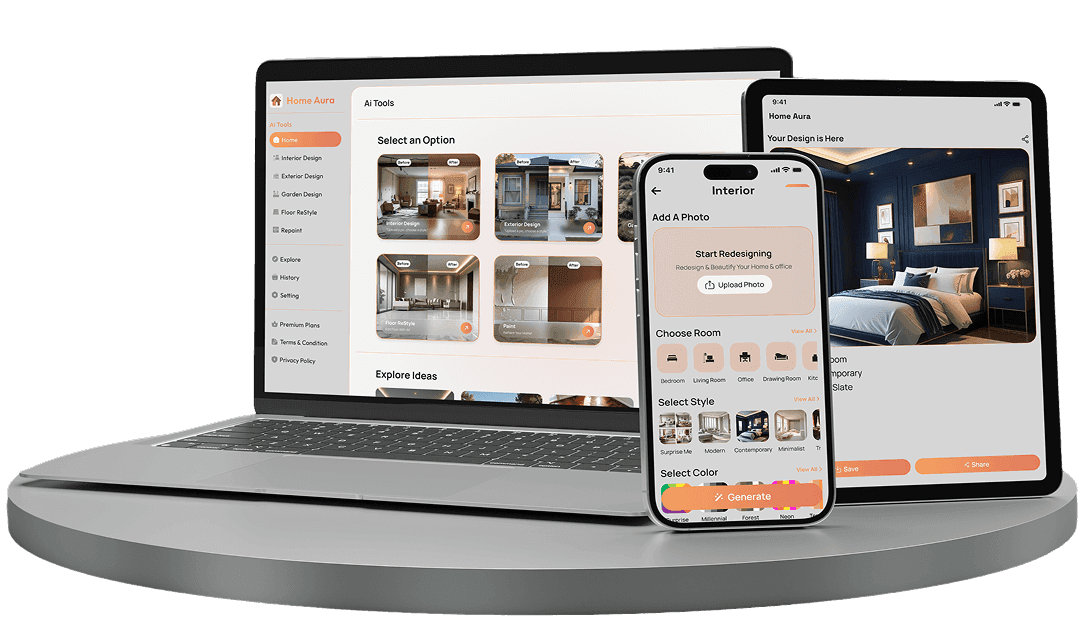
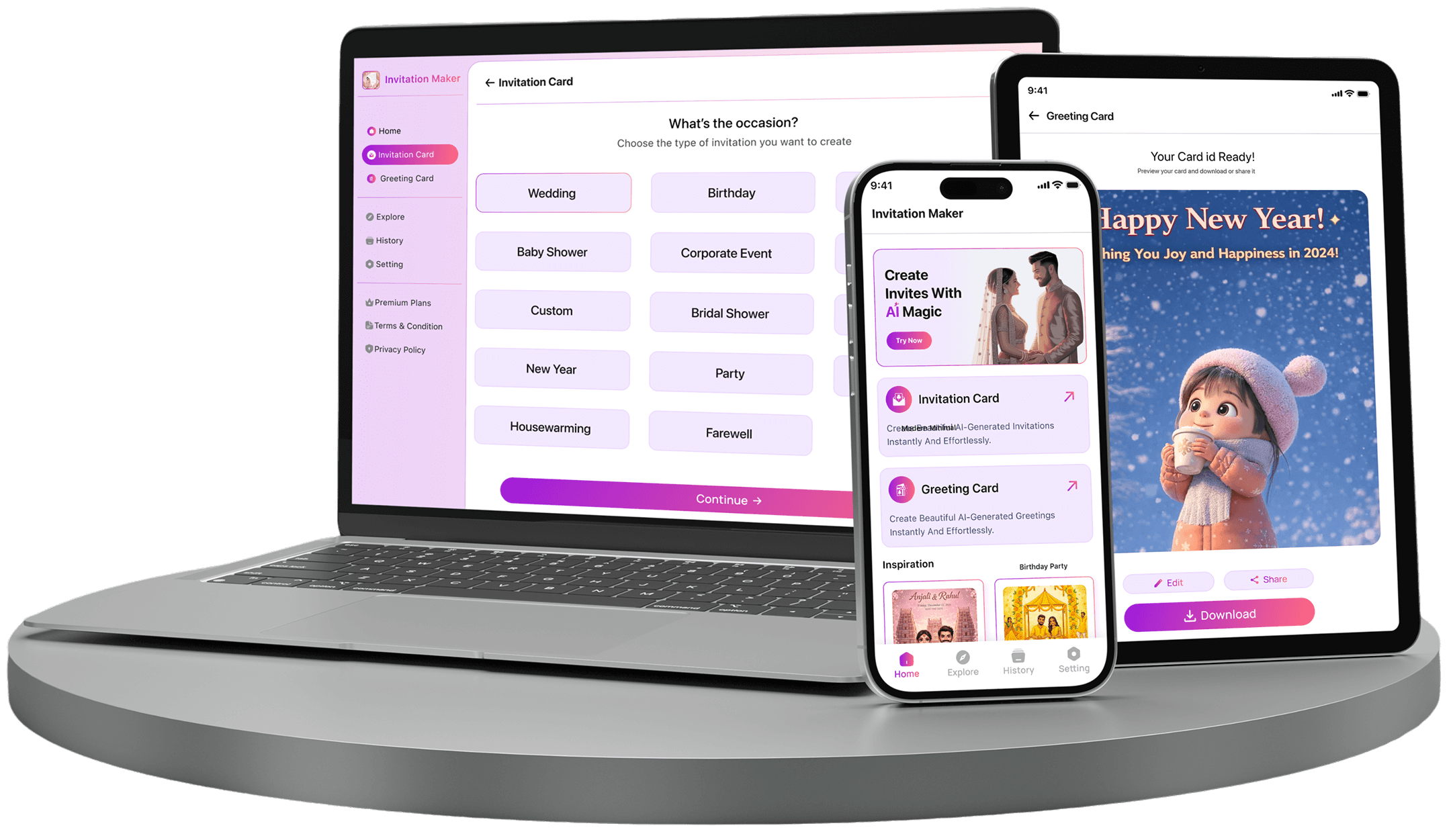
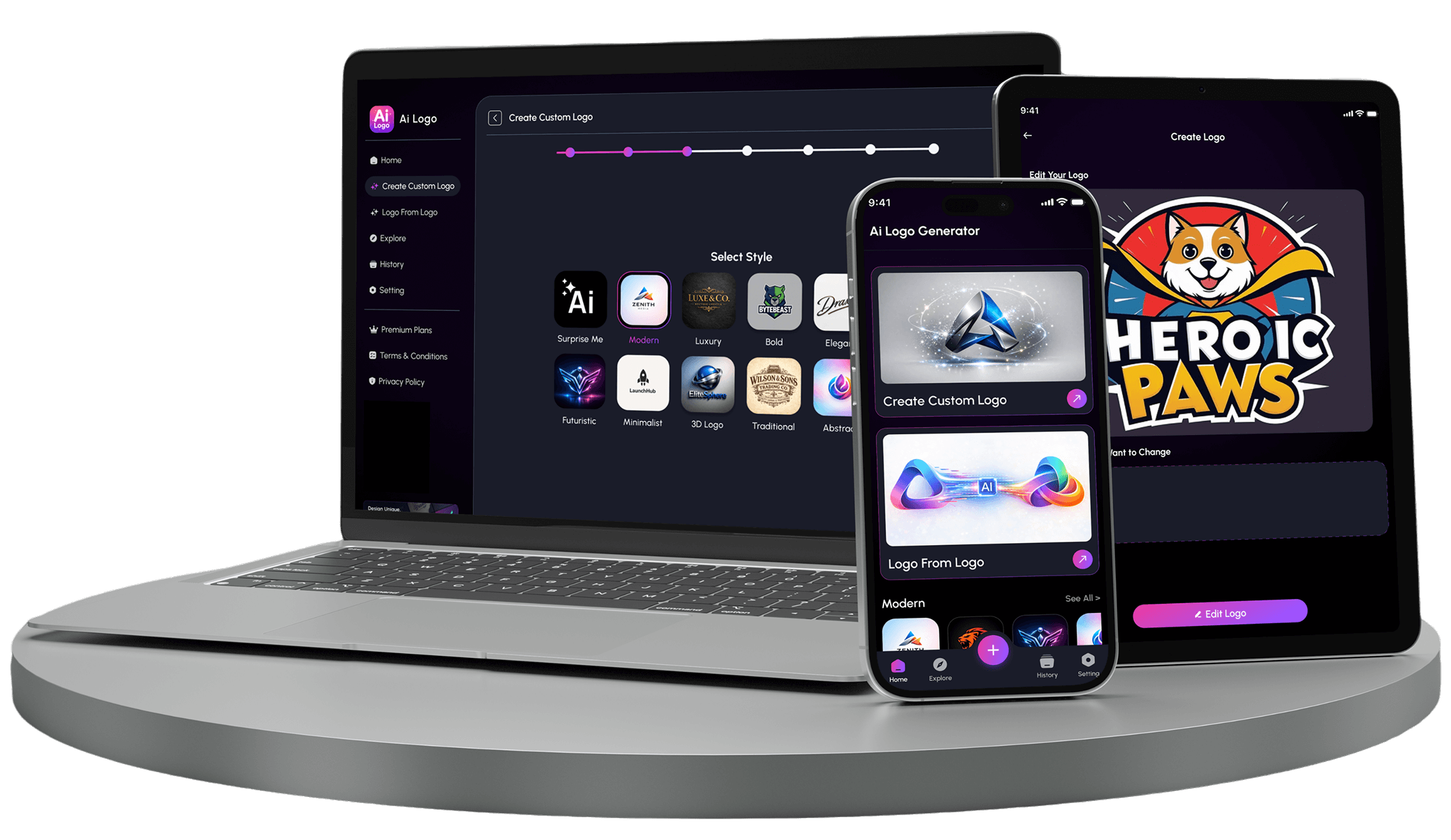
Relevant product work for booking operations and field-service retention
Examples of product execution that reflect the UX quality, release discipline, and operations thinking home-service teams expect from an on demand home services app development company.
Teams we support across home services and field operations
We work with cleaning brands, handyman platforms, home repair operators, beauty-at-home teams, appliance-service businesses, and multi-service marketplaces that need mobile software built for booking growth and operational reliability.
Home services app FAQs
On Demand Home Services App Development FAQs
Answers about on demand home services app development timelines, booking workflows, provider scheduling, payments, and post-launch optimization.

On demand home services app development usually includes service discovery, booking, scheduling, provider assignment, dispatch, payments, notifications, reviews, and admin tools. The exact scope depends on whether you are launching a focused booking MVP or a broader home-services marketplace with more categories, cities, providers, and operational complexity.
A focused home services MVP can often take a few months, while broader service-marketplace products usually take longer because scheduling logic, provider workflows, dispatch systems, payments, and analytics increase delivery scope. The real timeline depends on feature depth, integrations, and how much planning is completed before development starts.
The most important home services app features are usually service selection, scheduling, provider assignment, payments, notifications, status updates, and support tools. For many operators, dispatch controls, pricing management, analytics, and retention features matter just as much because they affect fulfillment quality, repeat usage, and operational efficiency after launch.
In many cases, yes. A focused booking MVP helps startups validate demand, booking completion, fulfillment quality, and repeat-service potential without carrying the cost of a much broader marketplace on day one. Once customer behavior, provider operations, and retention patterns are clearer, the roadmap can expand with more services, cities, or premium features.
On demand home services app development cost depends on booking depth, provider workflows, dispatch needs, payments, integrations, and post-launch growth scope. A smaller MVP is usually far less expensive than a multi-role service marketplace with deeper operational logic and marketplace systems. The most reliable estimate comes from defining the service model, user roles, and launch priorities during discovery.
Yes. Startups often need a focused booking MVP that proves demand and repeat service quickly, while established operators usually need stronger operational workflows, integration planning, and room for broader marketplace scale. The delivery approach should match the business stage, service model, and expansion goals rather than forcing one template onto every product.
An agency is often a better fit when product strategy, UX, engineering, QA, analytics, and launch planning all need to move together. Home-services products combine customer booking flows with provider and dispatch operations, so agency delivery reduces coordination risk compared with managing separate freelancers across a more complex roadmap.
Have a project in mind?
Ready to start your project?
Share your goals, timeline, and requirements. We’ll respond with a clear next step, a realistic delivery plan, and the best tech approach for your product.
A quick discovery call to understand your needs
A scope + timeline with clear milestones
A build plan focused on speed, SEO, and conversions
Fast replies (typically within 24 hours)