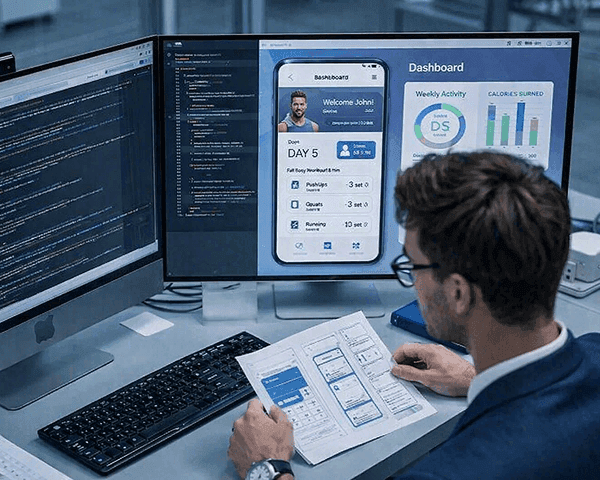








Fitness apps built for growth, retention, and recurring revenue
We help fitness brands, personal trainers, gyms, health clubs, coaching platforms, and wellness startups build mobile apps that turn downloads into active members with habit-forming UX, subscription flows, workout plans, class booking, progress tracking, and community engagement. The goal is not only to ship a workout app, but to create a product that supports activation, retention, recurring revenue, and operational clarity.
Workout, coaching, booking, nutrition, and member engagement workflows
Subscription, trial, upsell, and retention mechanics built into the product
Integrations for wearables, payments, analytics, video, and internal systems
MVP planning for launch plus iteration support for scale and long-term product growth

Why brands choose us for fitness app development
Fitness app development should support acquisition, engagement, and recurring revenue at the same time. Our delivery approach focuses on conversion, retention, and operational fit so your app is commercially useful, not just visually polished.
Conversion-focused onboarding
We design app entry points, free-trial prompts, profile setup, and first-session flows to reduce drop-off and move users toward activation quickly.
Retention systems
Habit loops, streaks, reminders, program progression, personalized content, and subscription logic are planned around long-term engagement.
Business-ready operations
The product is structured around coaches, admins, trainers, and support teams so growth does not create internal chaos.
Fitness app development services for member growth and retention
From startup MVPs to full-scale fitness platforms, we build mobile experiences that help fitness businesses attract users, convert them into paying members, and keep them engaged over time. That includes coaching workflows, class bookings, subscription journeys, wearable data, nutrition support, and member operations.
Workout and program apps
Create guided workout flows, training plans, challenge programs, daily sessions, and progress milestones for different user segments.
Personal training and coaching apps
Build apps for trainer-to-client messaging, plan delivery, check-ins, accountability, and premium remote coaching experiences.
Gym and studio member apps
Support class booking, schedules, membership access, trainer discovery, location services, and in-app engagement for physical businesses.
Subscription and monetization flows
Launch trials, plans, upgrades, bundles, coupon logic, and paid content journeys designed for recurring revenue.
Wearable and device integrations
Connect with Apple Health, Google Fit, wearables, heart-rate devices, and tracking tools to improve personalization and user stickiness.
Video, nutrition, and habit features
Add on-demand content, live sessions, meal plans, habit prompts, reminders, and educational modules to expand user value.
Admin dashboards and analytics
Give your team visibility into subscriptions, content usage, retention signals, and operational actions needed to improve growth.
Why businesses invest in fitness app development
Fitness app development helps brands turn workouts, coaching, bookings, subscriptions, and progress tracking into one stronger mobile product. A well-built fitness app can improve user activation, increase recurring revenue, support habit-based engagement, and give operators clearer control over content, memberships, and retention workflows.
Related: Meditation App Development · Mobile App Development · Cross Platform App Development · Healthcare App Development · Portfolio · Contact Us
Workout apps, coaching apps, gym member apps, and digital wellness products
Subscriptions, trials, upsells, community features, and retention-focused member journeys
Wearable integrations, video delivery, analytics, payments, and admin workflow support
Product strategy, mobile UX, QA, launch planning, and post-launch iteration
Fitness App Development Process
- Step 1Review the audience, pricing model, activation flow, and retention drivers
- Step 2Shape onboarding, workouts, member journeys, booking, and monetization logic
- Step 3Build the mobile product, backend workflows, analytics, and integrations
- Step 4Validate conversion-critical flows, fix regressions, and test launch readiness
- Step 5Optimize onboarding, subscription performance, and engagement loops after launch
Benefits of fitness app development for gyms, trainers, and wellness brands
Fitness app development should improve member growth, retention, and product monetization together. The best results come when workouts, coaching, subscriptions, and engagement loops all support the same business outcome.
Fitness app development comparison
Businesses evaluating fitness app development often compare custom fitness apps with generic platforms, content-only apps with coaching products, and agency delivery with freelancers. The right choice depends on retention strategy, monetization model, product complexity, and how much control you need over the member experience.
Fitness app development pricing insight
Fitness app development cost depends on product scope, subscription logic, video or wearable integrations, user roles, and post-launch growth needs. These are general U.S. planning ranges for custom fitness mobile products, not fixed Devsrank quotes, and they should be validated through discovery before budgeting decisions are finalized.
Typical for narrower products with a focused workout flow, basic onboarding, subscriptions, and limited integration scope.
Fits products with richer coaching workflows, class booking, video content, analytics, retention mechanics, and stronger QA requirements.
Common for multi-role apps with trainers, members, content teams, wearable integrations, community features, and deeper operational workflows.
What affects cost
Subscription logic, monetization model, and free-trial workflow complexity
Workout programs, coaching features, booking flows, and community requirements
Wearable sync, video delivery, payments, analytics, and third-party integrations
User roles such as members, trainers, coaches, admins, or studio operators
Native versus cross-platform delivery decisions
Post-launch support, experimentation, and retention optimization scope
Platform and health-tech resources we align with
We align mobile app delivery with platform, UX, and security guidance that teams already rely on when planning high-quality launches.
Planning a fitness app that users actually stick with?
Talk with Devsrank about your coaching model, subscription flow, wearable needs, content strategy, and launch priorities. We can help you turn the fitness concept into a practical mobile product roadmap.
Technology for scalable fitness and wellness apps
We use a practical mobile stack for fast releases, subscription-ready product logic, reliable integrations, and long-term iteration across coaching, booking, content, and wearable-enabled fitness products.






How we deliver fitness app development
A conversion-focused delivery process for fitness products that need strong UX, dependable mobile execution, and clear commercial priorities across member acquisition, coaching delivery, and retention.
Business and funnel review
We map the audience, pricing model, activation flow, retention drivers, and operational requirements before product decisions get locked in.
UX and subscription planning
We shape onboarding, workouts, member journeys, booking, video access, and monetization logic around activation and recurring revenue.
Build and integrate
Our team develops the mobile product, backend workflows, analytics, subscriptions, notifications, and third-party integrations.
QA and launch readiness
We validate conversion-critical flows, fix regressions, prepare store-ready releases, and tighten the experience before launch.
Retention optimization
After launch, we improve onboarding, subscription performance, engagement loops, and roadmap priorities using user behavior data.
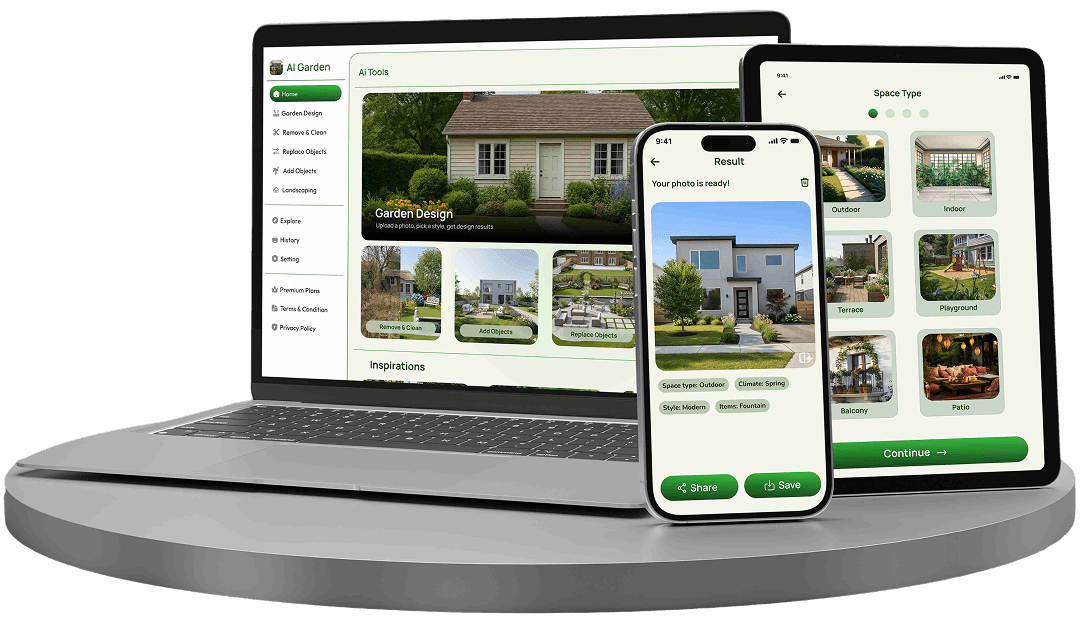
Relevant product work for fitness app growth
Examples of product execution that reflect the onboarding quality, UX discipline, and mobile release reliability fitness businesses expect from a development partner.

Teams we support across fitness and wellness
We work with gyms, trainers, fitness startups, wellness products, digital coaching businesses, and subscription brands that need mobile software built for adoption, retention, and repeat engagement.
Fitness app FAQs
Fitness App Development FAQs
Answers about fitness app development cost, timelines, subscriptions, wearable integrations, monetization, and how to improve retention after launch.

A fitness app development company helps brands plan, design, build, test, launch, and improve mobile products for workouts, coaching, gym memberships, wellness programs, and habit-based engagement. That can include onboarding, subscriptions, video, wearable integration, progress tracking, notifications, and post-launch product optimization.
Fitness app development can cover workout apps, personal training apps, gym member apps, class booking apps, coaching platforms, wellness products, connected-fitness tools, and subscription fitness apps. The right product structure depends on how users engage, what the business sells, and which retention loops keep members active over time.
Fitness app development cost depends on features, subscription logic, coaching workflows, wearable integrations, video delivery, user roles, and post-launch scope. A focused MVP usually costs far less than a more complex coaching or wellness platform. The most reliable estimate comes after discovery, when product scope and technical dependencies are clearly defined.
Timeline depends on feature depth, design complexity, integration requirements, and testing scope. A focused fitness MVP may take a few months, while a more advanced member platform takes longer. The right timeline should come after discovery, when the onboarding flow, subscription model, content structure, and technical dependencies are properly mapped.
Yes. Fitness apps often use subscriptions, trials, paid programs, upgrades, or coaching plans to create recurring revenue. Strong subscription design depends on clear onboarding, persuasive product value, smooth billing flows, and retention features that keep members engaged after the initial signup instead of dropping out early.
Yes. Fitness apps can integrate with platforms such as Apple HealthKit, Google Health Connect, wearable devices, activity tracking tools, and other health-data services. Integration planning matters because sync quality, permissions, data visibility, and user trust all affect how useful the connected fitness experience feels in daily use.
Fitness apps improve retention through stronger onboarding, personalized workout journeys, streaks, reminders, progress visibility, subscription value, and community or coaching touchpoints. The best retention systems do not rely on notifications alone. They connect product value, habit-building, and business model design so users keep returning for a clear reason.
Yes. Fitness apps usually need continued support after launch because user behavior changes, programs evolve, subscriptions need optimization, and integrations shift over time. Post-launch support helps improve retention, reduce friction, refine monetization, and keep the app aligned with real product and business goals instead of becoming stale.
Have a project in mind?
Ready to start your project?
Share your goals, timeline, and requirements. We’ll respond with a clear next step, a realistic delivery plan, and the best tech approach for your product.
A quick discovery call to understand your needs
A scope + timeline with clear milestones
A build plan focused on speed, SEO, and conversions
Fast replies (typically within 24 hours)